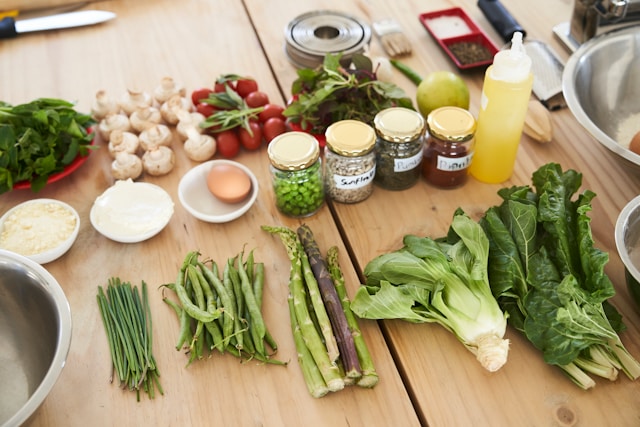
Photo by Gareth Hubbard on Unsplash
What types of vegetarians are there?
| Vegetarian Type | Definition | Edible Foods | Inedible Foods |
|---|---|---|---|
| Vegan | Only consumes plant-based foods, completely avoids any animal products. | - Vegetables - Fruits - Whole grains - Legumes - Nuts, etc. | - Meat - Fish - Eggs - Dairy products - Honey, etc. |
| Vegetarian (with five pungent vegetables) | Based on veganism, allows the consumption of five pungent vegetables (such as scallions, garlic, etc.) | - Vegetables - Fruits - Whole grains - Legumes - Nuts and five pungent vegetables | - Meat - Fish - Eggs - Dairy products, etc. |
| Lacto-Ovo Vegetarian | Consumes plant-based foods as well as eggs and dairy products | - Vegetables - Fruits - Whole grains - Legumes - Eggs - Dairy products | - Meat - Fish |
| Ovo Vegetarian | Consumes plant-based foods and eggs, but does not consume dairy products | - Vegetables - Fruits - Whole grains - Legumes - Eggs | - Meat - Fish - Dairy products, etc. |
| Lacto Vegetarian | Consumes plant-based foods and dairy products, but does not eat eggs | - Vegetables - Fruits - Whole grains - Legumes - Dairy products | - Meat - Fish - Eggs, etc. |
| Pescatarian | Consumes plant-based foods and seafood, but does not eat land meat | - Vegetables - Fruits - Whole grains - Legumes - Seafood (such as fish and shellfish) | - Land meat (such as beef, pork, etc.) |
| Flexitarian | Accepts cooking vegetarian and non-vegetarian foods together, friendly for those who eat out | - Vegetables - Fruits - Non-vegetarian food (can share utensils) | No specific restrictions, but usually avoids excessive meat consumption |
Comparison table of food restrictions for different vegetarian types
| Vegetarian Type | Meat | Fish/Seafood | Dairy Products | Eggs | Five Pungent Vegetables |
|---|---|---|---|---|---|
| Vegan | X | X | X | X | X |
| Lacto-Ovo Vegetarian | X | X | O | O | X |
| Lacto Vegetarian | X | X | O | X | O |
| Ovo Vegetarian | O | X | X | O | X |
| Vegetarian (with five pungent vegetables) | X | X | O | O | O |
| Pescatarian | X | O | O | O | X |
| Flexitarian | O | O | O | O | O |
What are the advantages and disadvantages of different vegetarian types?
| Vegetarian Type | Definition | Advantages | Disadvantages |
|---|---|---|---|
| Vegan | Only consumes plant-based foods, completely avoids any animal products. | Reduces animal exploitation, environmentally friendly, may lower the risk of certain diseases | Nutritional intake needs careful planning, may lack certain vitamins and minerals (such as vitamin B12) |
| Vegetarian (with five pungent vegetables) | Based on veganism, allows the consumption of five pungent vegetables (such as scallions, garlic, etc.) | Increases dietary flavor, still maintains the basic principles of vegetarianism | Still needs to pay attention to nutritional balance, five pungent vegetables may affect digestion for some people |
| Lacto-Ovo Vegetarian | Consumes plant-based foods as well as eggs and dairy products | Diverse sources of nutrition, easier to obtain necessary nutrients | May not be suitable for those allergic to dairy products, still needs to control animal product intake |
| Ovo Vegetarian | Consumes plant-based foods and eggs, but does not consume dairy products | Provides flexibility, easy to obtain protein sources | Lack of dairy products may affect calcium intake |
| Lacto Vegetarian | Consumes plant-based foods and dairy products, but does not eat eggs | Diverse sources of nutrition, easy to obtain calcium and vitamin D | Lack of protein sources may affect energy levels |
| Pescatarian | Consumes plant-based foods and seafood, but does not eat land meat | Can obtain omega-3 fatty acids, beneficial for heart health | Still consumes animal products, does not meet some people’s definition of vegetarianism |
| Flexitarian | Accepts cooking vegetarian and non-vegetarian foods together, friendly for those who eat out | Convenient for dining out, high flexibility | May find it difficult to maintain a pure vegetarian philosophy, easily tempted to consume too much meat |
Why are there so many different types of vegetarians?
Different types of vegetarians reflect personal considerations of health, environmental protection, ethics, and culture.
Each form of vegetarianism has its unique definition and reasons, allowing people to choose the most suitable dietary approach based on their own needs.
| Vegetarian Type | Definition | Main Reasons | Characteristics |
|---|---|---|---|
| Vegan | Only consumes plant-based foods, does not consume any animal products. | Animal rights, environmental protection, health considerations | Strictly excludes all animal-derived products, emphasizes plant-based diet. |
| Lacto-Ovo Vegetarian | Consumes plant-based foods as well as eggs and dairy products. | Health, convenience, social occasions | The most common form of vegetarianism, easy to obtain nutrition. |
| Lacto Vegetarian | Consumes plant-based foods and dairy products, but does not eat eggs. | Religious beliefs, health considerations | Common in certain religious traditions, provides calcium. |
| Ovo Vegetarian | Consumes plant-based foods and eggs, but does not consume dairy products. | Health needs, personal preferences | Relies on eggs as the main source of protein. |
| Vegetarian (with five pungent vegetables) | Consumes plant-based foods, but does not eat five pungent vegetables (such as scallions, garlic). | Religious beliefs, spiritual needs | Increases dietary flavor, maintains a plant-based diet. |
| Pescatarian | Consumes plant-based foods and fish and seafood. | Health considerations, omega-3 fatty acid needs | Provides rich omega-3 fatty acids and protein. |
| Flexitarian | Primarily plant-based, but occasionally consumes meat or fish. | Reduces meat intake, flexible dietary choices | Convenient and easy to accept, suitable for beginners or social occasions. |
What are the five pungent vegetables?
| Five Pungent Vegetables | Varieties | Description | Illustration |
|---|---|---|---|
| Scallion | Green onion, red onion, shallot, chive, wild onion, garlic chive | Scallion plants with a unique aroma, commonly used for seasoning and enhancing flavor. | 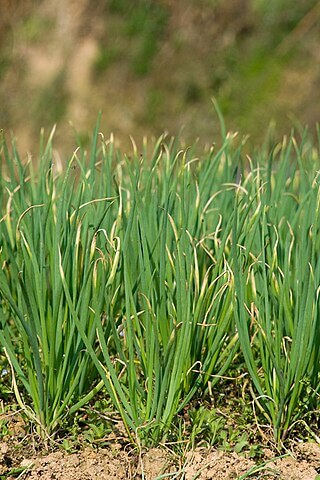 |
| Garlic | Garlic, garlic sprouts | Garlic plants with a strong smell and taste, commonly used in cooking and seasoning. | 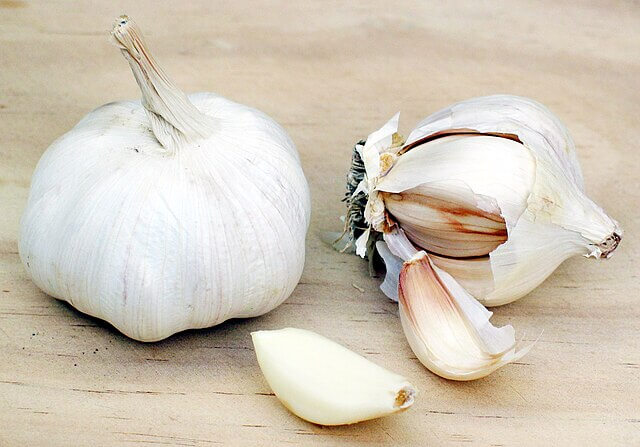 |
| Leek | Leek, leek flower | Leek plants with a special aroma, commonly used in dumplings and stir-fried dishes. | 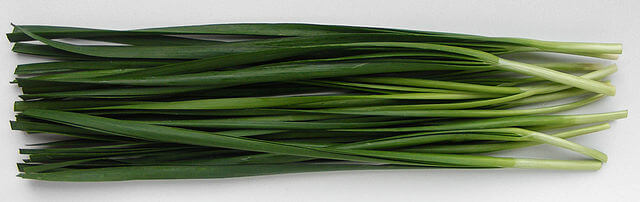 |
| Shallot | Shallot, small garlic | Shallot plants, usually referring to small garlic or shallots, with a stronger smell. | 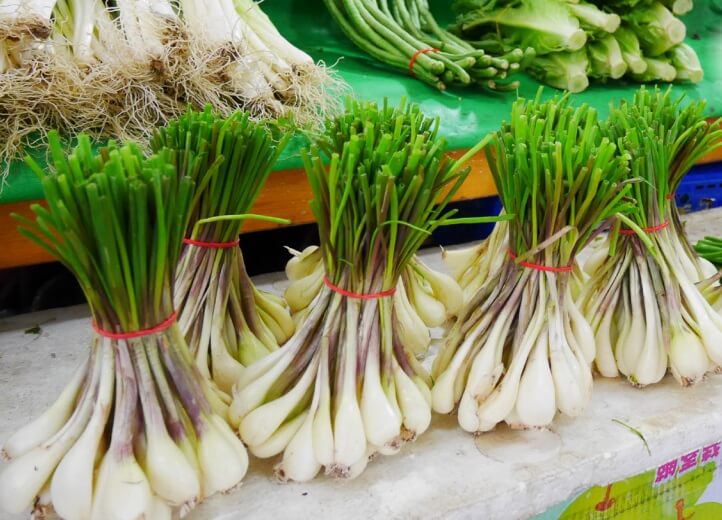 |
| Onion | Onion | Common root vegetables with sweet and spicy flavors, widely used in various dishes. | 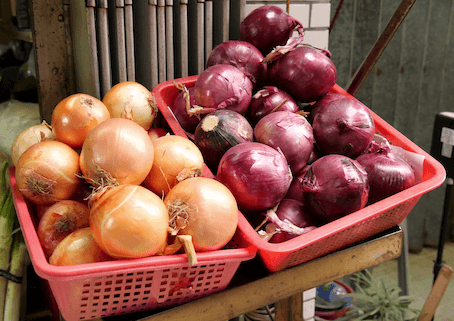 |
Why do vegetarians avoid five pungent vegetables?
Five pungent vegetables are considered five pungent plants in Buddhism, as their strong smell is believed to affect the mindset of practitioners, so many vegetarians (especially vegans and those who follow the five pungent vegetarian diet) avoid consuming these plants.
These plants are usually used to enhance the flavor of dishes, but due to their strong smell, they may not be easily accepted by some people.
What nutrients need special attention in different vegetarian types?
| Nutrients | Vegan | Lacto-Ovo Vegetarian | Lacto Vegetarian | Ovo Vegetarian | Flexitarian |
|---|---|---|---|---|---|
| Vitamin B12 | Needs special attention, as the main sources are animal products, it is recommended to supplement with fortified foods or supplements. | Easier to obtain, but still needs attention, it is recommended to use fortified foods. | The main source is dairy products, usually sufficient. | The main source is eggs, usually sufficient. | Generally does not need special attention, as some animal products can be consumed. |
| Vitamin D | Needs to be obtained through sunlight or supplements, plant-based sources are limited. | Can be obtained through sunlight and dairy products. | Obtained through sunlight and dairy products. | Obtained through sunlight and eggs. | Generally does not need special attention, as some animal products can be consumed. |
| Iron | Plant-based iron has lower absorption rates, needs to be paired with vitamin C to increase absorption. | Easier to obtain, but still needs attention to pair with vitamin C. | Diverse nutrient sources, usually sufficient. | Diverse nutrient sources, usually sufficient. | Generally does not need special attention, as some animal products can be consumed. |
| Calcium | Plant-based calcium sources are limited, needs to choose fortified foods or diversify diet. | Obtained through dairy products, usually sufficient. | Obtained through dairy products, usually sufficient. | Obtained through dairy products and other plant sources. | Generally does not need special attention, as some animal products can be consumed. |
| Protein | Needs to diversify plant-based foods to ensure complete amino acid intake. | Easier to obtain, can be supplemented through legumes, eggs, and dairy products. | Can be supplemented through legumes and dairy products. | Can be supplemented through legumes and eggs. | Generally does not need special attention, as some animal products can be consumed. |
| Omega-3 Fatty Acids | Plant-based sources are limited, it is recommended to consume flaxseeds, chia seeds, etc. | Can be supplemented through fish oil or plant-based sources like flaxseeds. | Can be supplemented through fish oil or plant-based sources like flaxseeds. | Can be supplemented through fish or plant-based sources like flaxseeds. | Generally does not need special attention, as some animal products can be consumed. |
Reference
- 【蔬食攻略】都是素食,vegetarian、vegan差在哪?彈性蔬食又是什麼? | Pinkoi 設計誌
- Vegan意思?全素可以吃什麼?蛋奶素不能吃什麼?七個Q&A讓你一次搞懂素食分類
- 五辛 - 維基百科,自由的百科全書
- 素食種類大不同!五辛素、奶蛋素、Vegan 是什麼?海鮮素是素嗎? – 蘭揚食品 | 蔬食 x 海鮮 美味即食
- 蔥 - 維基百科,自由的百科全書
- 蒜 - 維基百科,自由的百科全書
- 洋蔥 - 維基百科,自由的百科全書
- 【素食名詞大全】五辛、蛋奶素、Vegan、Vegetarian 都是素食差在哪?
- 素食飲食指南手冊(國健署).pdf
- 素食者請注意! 可能需要特別注意補充這些營養 | 李宜霖胃腸肝膽科
- 【營養師整理】素食者要注意的7種營養素大公開! - 飲食信仰-鄭惠文營養師
- 【方便素】原來是這樣!方便素定義、6種素食種類差異解析
- 五辛素是什麼?為什麼不能吃?洋蔥是素食嗎?五辛素疑問一次答
- Vegan?五辛素?台灣常見的素食種類!
- 【素食定義】7種常見的素食者|你屬於邊種素食主義?|社職 Social Career BLOG
- 你吃哪種素?素食種類重點解析-潔西的綠色生活誌|痞客邦