Lunar Festivals
January
| Date | Festival | Introduction |
|---|---|---|
| First Day | Spring Festival (Lunar New Year, New Spring, Year Festival, Big Year) | The first day of the Lunar New Year, the most important traditional festival for Chinese people, symbolizes the beginning of a new year. |
| Second Day | Che Gong’s Birthday | Commemorates the birthday of Che Gong (Zhao Gongming), a day to pray for wealth and career success. |
| Fourth Day | Welcoming Gods Day | A day to welcome various gods back to the human world, praying for blessings in the new year. |
| Fifth Day | Breaking the Fifth Festival | Traditionally considered a good day to start business, symbolizes breaking the new year’s taboos. |
| Sixth Day | Birthday of the Water Ancestor | Commemorates the birthday of the Water Ancestor, mainly popular in the Minnan region. |
| Seventh Day | Human Day (Seven Yuan Festival, Opening Celebration) | Legend has it that this is the day of human birth, also known as “Everyone’s Birthday.” |
| Eighth Day | Grain Day (Grain Festival) | A day to worship the god of grains, praying for a bountiful harvest. |
| Eighth Day | Shunxing Festival (Worship Stars, Welcoming Stars) | A day to worship the stars, praying for peace and smoothness. |
| Ninth Day | Heavenly Day Festival (Jade Emperor’s Birthday) | The birthday of the Jade Emperor, an important Taoist festival. |
| Tenth Day | Earth Day Festival (Stone Festival) | A day to worship the earth deity, thanking the earth for its blessings. |
| Fifteenth Day | Lantern Festival (Shangyuan Festival, Heavenly Official’s Birthday, Little New Year, Yuan Evening, Lantern Festival) | The first full moon night of the first month, with customs of admiring lanterns and eating tangyuan. |
| Nineteenth Day | Qiu Chuji’s Birthday | Commemorates the birthday of Qiu Chuji, the founder of the Longmen sect of Quanzhen Dao. |
| Twentieth Day | Heavenly Piercing Festival | Commemorates the legend of Nuwa repairing the sky, an important festival for Hakka people. |
| Twenty-Fifth Day | Filling Granaries Festival | A day to pray for full granaries and abundant grains. |
| Last Day of January | Last Day of January (Last Day Festival) | The last day of January, with customs of cleaning impurities and praying for blessings. |
February
| Date | Festival | Introduction |
|---|---|---|
| First Day | Zhonghe Festival | A day to pray for harmony between heaven, earth, and humanity, and for all things to grow. |
| Second Day | Spring Society (Land God’s Birthday, Fortune God’s Birthday) | A day to worship the Land God, thanking the blessings of the land. |
| Second Day | Dragon Raises Head (Spring Dragon Festival, Dragon Head Festival) | Legend has it that this is the day the Dragon King raises his head to bring rain, symbolizing the start of spring plowing. |
| Second Day or Twelfth, Fifteenth | Flower Morning Festival (Flower God Festival, Flower God Meeting, Butterfly Catching Festival) | A festival to worship the god of flowers and appreciate spring flowers. |
| Second Day | Land God’s Birthday (Land God’s Birthday) | The birthday of the Land God in folk belief, praying for local peace. |
| Third Day | Wenchang’s Birthday | A day to worship Wenchang Dijun, praying for academic progress. |
| Eighth Day | Commemoration of Shakyamuni Buddha’s Renunciation (Buddha’s Renunciation Auspicious Day) | Commemorates the day the Buddha renounced his throne to practice. |
| Thirteenth Day | Hong Sheng Ye’s Birthday | Commemorates the birthday of Hong Sheng Ye, mainly celebrated in coastal areas. |
| Fifteenth Day | Taishang Laojun’s Birthday (Taoist Festival) | Commemorates the birthday of Laozi, the founder of Taoism. |
| Nineteenth Day | Guanyin’s Birthday | The birthday of Guanyin Bodhisattva, an important Buddhist festival. |
March
| Date | Festival | Introduction |
|---|---|---|
| Third Day | Shangsi Festival (Xuanyuan Huangdi’s Birthday, Xuantian Emperor’s Birthday) | An ancient purification festival, also commemorating multiple deities. |
| One or Two Days Before Qingming Festival | Cold Food Festival (Cooked Food Festival, Smoking Ban Festival, Cold Festival) | A traditional festival where fire is prohibited, only cold food is eaten. |
| 108 Days After Winter Solstice | Qingming Festival (Treading Green Festival) | An important festival for tomb sweeping and ancestor worship, as well as spring outings. |
| Twenty-Third Day | Heavenly Mother’s Birthday (Heavenly Mother’s Birthday, Mazu’s Birthday) | The birthday of Mazu, an important festival for sailors and coastal residents. |
April
| Date | Festival | Introduction |
|---|---|---|
| Fifth to Ninth Day | Cheung Chau’s Peace Festival | A traditional festival celebration on Cheung Chau Island in Hong Kong. |
| Eighth Day | Buddha’s Birthday (Bathing Buddha Festival) | The birthday of Shakyamuni Buddha, with a bathing ceremony. |
| Eighth Day | Tam Kung’s Birthday | Commemorates the birthday of Tam Kung, mainly celebrated in Guangdong. |
| Fourteenth Day | Lu Zu’s Birthday | The birthday of Lu Dongbin, one of the Eight Immortals in Taoism. |
| Fifteenth Day | Auspicious Day for Buddha (Buddha’s Completion Day) | An auspicious day in Buddhism commemorating the Buddha’s enlightenment. |
| Eighteenth Day | Bixia Yuanjun Festival | Commemorates the birthday of the Taoist goddess Bixia Yuanjun. |
May
| Date | Festival | Introduction |
|---|---|---|
| Fifth Day | Dragon Boat Festival (May Festival, Duanwu Festival, Noon Day Festival, Five Day Festival, Ai Festival, Duanwu, Summer Festival, Reed Festival) | Commemorates Qu Yuan, with traditional customs of dragon boat racing and eating zongzi. |
| Thirteenth Day | Rain Festival (Rainy Day Festival, Bamboo Drunken Day) | A traditional festival to pray for rain. |
| Twentieth Day | Dragon Division Festival | A day in folk legend when the Dragon King assigns duties. |
| Twenty-Fifth Day | Dragon Meeting Festival | A day in legend when the Dragon King gathers. |
June
| Date | Festival | Introduction |
|---|---|---|
| Sixth Day | Tianji Festival (June Sixth, Washing Festival, Sun Drying Insect Festival, Insect King Festival, Returning Home Festival, Auntie Festival) | A traditional day for drying clothes and expelling insects, also a day for women to return to their maternal homes. |
| Thirteenth Day | Lu Ban’s Birthday (Master’s Birthday) | Commemorates the birthday of Lu Ban, the ancestor of craftsmen. |
| Nineteenth Day | Guanyin Meeting (Guanyin Bodhisattva’s Enlightenment Day) | Commemorates the day Guanyin Bodhisattva attained Buddhahood. |
| Twenty-Fourth Day | Guan Di’s Birthday | Commemorates the birthday of Guan Yu, the God of War. |
| Twenty-Fourth Day | Lotus Viewing Festival (Lotus Flower Birthday) | A traditional festival for appreciating lotus flowers and tasting tea. |
| Twenty-Fourth and Twenty-Sixth Days | Chuan Zhu’s Birthday | Commemorates the birthday of the main deity in the Sichuan region. |
July
| Date | Festival | Introduction |
|---|---|---|
| Seventh Day | Qixi Festival (Valentine’s Day, Qiqiao Festival, Seven Skills Festival, Seventh Sister’s Birthday) | The day when the Cowherd and Weaver Girl meet, known as China’s traditional Valentine’s Day. |
| Fourteenth Day | Autumn Day Purification | An ancient custom of removing bad luck. |
| Fourteenth to Fifteenth Days | Zhongyuan Festival and Ullambana Festival (Ullambana Festival, Earth Official’s Birthday, July Half, Ghost Festival) | A festival for ancestor worship and releasing wandering souls. |
| Twenty-Second Day | Caishen Festival (Caishen Xuantan Zhenjun and Zengfu Zhenjun’s Enlightenment Day) | A day to worship the God of Wealth, praying for good fortune. |
| Twenty-Ninth or Thirtieth Day | Dizang Festival (Dizang Wang Bodhisattva’s Birthday) | Commemorates the birthday of Dizang Wang Bodhisattva. |
August
| Date | Festival | Introduction |
|---|---|---|
| First Day | Tian Jiu Day (Heavenly Medicine Festival) | An auspicious day for traditional Chinese medicine and health care. |
| Fifteenth Day | Mid-Autumn Festival (Autumn Evening, August Festival, Moon Festival, Reunion Festival) | An important festival for moon appreciation, eating mooncakes, and family reunions. |
| Sixteenth Day | Monkey King’s Birthday | Commemorates the birthday of Sun Wukong, the Monkey King. |
| Twenty-Seventh Day | Confucius’s Birthday (Confucius’s Birthday) | Commemorates the birthday of Confucius, the founder of Confucianism. |
September
| Date | Festival | Introduction |
|---|---|---|
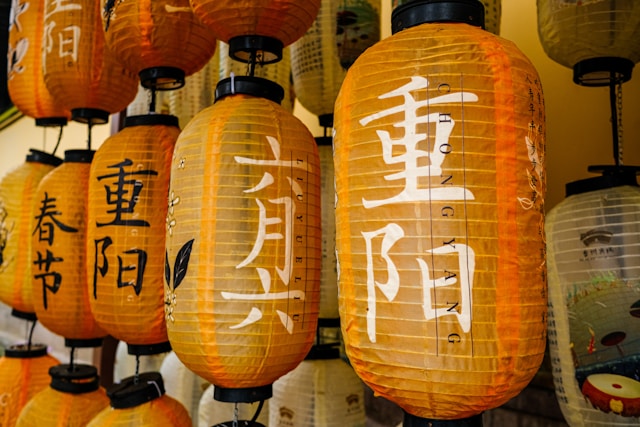
| Ninth Day | Double Ninth Festival (Chongyang Festival, Chrysanthemum Festival) | A traditional festival for climbing heights, appreciating chrysanthemums, and ancestor worship. |
| Nineteenth Day | Guanyin’s Renunciation Day | Commemorates the day Guanyin Bodhisattva renounced to practice. |
October
| Date | Festival | Introduction |
|---|---|---|
| First Day | Cold Clothes Festival (Clothing Offering Festival, Yin Festival) | A festival for sending cold clothes to ancestors. |
| Around the Tenth Day | Shicheng Festival (Double Tenth Festival, Harvest Festival) | A festival celebrating the completion of the autumn harvest. |
| Fifteenth Day | Lower Yuan Festival (Disaster Relief Day, Water Official’s Birthday, Water Official Festival, Lower Yuan Water Official Festival) | One of the Taoist Three Yuan Festivals, a day to worship the Water Official. |
November
| Date | Festival | Introduction |
|---|---|---|
| A day within 30 days before or after November 15 | Winter Solstice | The shortest day of the year, with customs of eating tangyuan and dumplings. |
Twelfth Month (December)
| Date | Festival | Introduction |
|---|---|---|
| Seventh Day | Exorcism Day | A day to drive away evil spirits and eliminate disasters. |
| Eighth Day | Laba Festival (Laba, Laba Day) | Commemorates the Buddha’s enlightenment, with customs of drinking Laba porridge. |
| Sixteenth Day | Year-End Festival (Year-End, Beautiful Festival) | A day for businesses to thank employees and worship the Land God. |
| Twenty-Third or Twenty-Fourth Day | Kitchen God Day (Thanksgiving Day, Kitchen God Festival, Sending God Day, Little New Year) | A day to worship the Kitchen God, sending him to heaven to report the year’s good and bad deeds. |
| Last Day of December | New Year’s Eve (New Year’s Eve, New Year’s Night, Big New Year’s Night, Great New Year’s Night, Year-End) | The last day of the lunar year, an important day for family reunions and staying up late. |