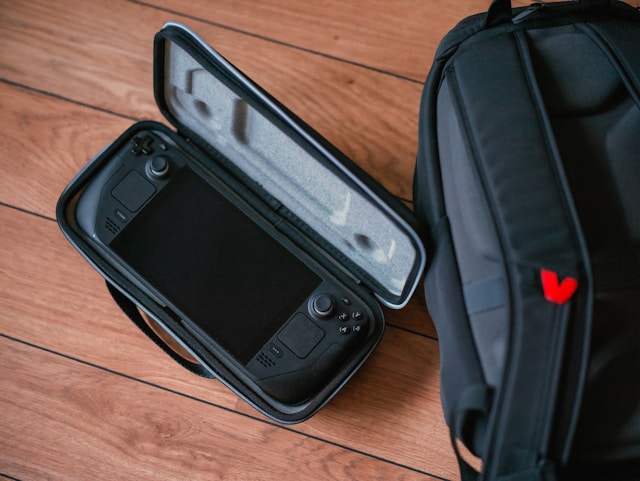
Photo by Komarov Egor 🇺🇦 on Unsplash
Supported Programming Languages for Steam Game Development
| Programming Language | Description |
|---|---|
| C/C++ | C and C++ are the most commonly used programming languages for game development, many large game engines (such as Unreal Engine and Unity) use these languages for development. |
| C# | C# is primarily used for development in the Unity engine, many independent games published on Steam are developed using Unity and C#. |
| JavaScript | Through WebAssembly, Steam also supports the use of JavaScript for game development, allowing developers to utilize modern web technologies. |
| Rust | Rust is an emerging systems programming language that is popular for its memory safety, some Steam games have also started using Rust for development. |
| Other Languages | Steam also supports many other programming languages such as Go, Kotlin, Swift, D, Pascal, etc. These languages are typically integrated into games through specific frameworks or tools. |
Supported Game Engines for Steam Game Development
| Game Engine | Description |
|---|---|
| Unity | A widely used cross-platform game engine that supports C#. |
| Unreal Engine | A powerful 3D engine that primarily uses C++. |
| Godot | An open-source engine that supports GDScript (similar to Python) and C#. |
Professional Knowledge Required for Steam Game Development
| Knowledge Area | Description |
|---|---|
| Programming and Software Development | - Programming Languages: Familiarity with C++, C#, JavaScript, and other programming languages is fundamental, especially when using popular game engines (such as Unity and Unreal Engine). - Software Development Process: Understanding the software development lifecycle, including requirements analysis, design, coding, testing, and maintenance. |
| Game Design | - Game Mechanics: Mastery of the basic principles of game design, including gameplay, balance, and user experience design. - Level Design: Ability to design engaging levels to ensure players understand game objectives and enjoy challenges. |
| Art and Visual Design | - 2D/3D Art: Having a certain foundation in art to create or guide the visual design of characters, scenes, and interfaces. - Animation Production: Understanding animation principles to add lively movements to characters and elements in the game. |
| Audio Design | - Sound Editing: Mastery of the production and integration of sound effects and background music to enhance the immersion of the game. |
| Project Management | - Team Collaboration: Ability to effectively communicate with team members and coordinate the work of various departments (such as programming, art, audio). - Time Management: Developing a reasonable development plan to ensure the project is completed on time. |
| Marketing and Publishing | - Market Research: Understanding the target market and player needs to develop effective marketing strategies. - Operation of the Steam Platform: Familiarity with Steamworks tools, understanding how to publish and promote games on Steam. |
| Testing and Optimization | - Quality Assurance: Conducting comprehensive testing to discover and fix bugs, ensuring the game meets high-quality standards before release. - User Feedback Handling: Collecting player feedback and making corresponding adjustments to continuously optimize the gaming experience. |
By mastering these professional knowledge and skills, developers can better create and publish successful games on the Steam platform.
Process for Publishing Games on Steam
| Step | Item | Description |
|---|---|---|
| 1 | Create Developer Account | You need to register a developer account on Steam and pay a $100 verification fee. This fee is to verify your identity and ensure you have the legal qualifications to publish. |
| 2 | Download Steamworks SDK | After registration, you need to download the Steamworks SDK. This software development kit contains the features needed for integration with the Steam client, such as achievements, cloud saves, and friend systems. |
| 3 | Create Commercial Release Plan | In the Steamworks backend, you need to create a commercial release plan for your game. This includes filling out basic information about the game, such as name, type, and publisher. This information is the foundation for all subsequent work. |
| 4 | Fill in Commercial Release Console Content | Next, you need to complete the detailed information about the game in the console, including language, category, proprietary name, etc. This metadata will directly affect how the game is displayed in the Steam store. |
| 5 | Create Steam Store Page | Based on the previous information, Steam will automatically generate the store page. You need to supplement detailed game descriptions, screenshots, and videos to attract users and showcase game features. |
| 6 | Submit Review Application | After completing the store page, you can submit an application for review. Steam will review your game content to confirm that there are no violations before agreeing to list it. Ensure that all submitted text and materials comply with regulations. |
| 7 | Publish Game | Once the review is approved, you can upload the final version to Steam and officially publish the game. After successful listing, you can track the game’s sales and ratings in real-time through the Steam backend. |
Game Publishing Considerations
| Item | Description |
|---|---|
| Quality Assurance | Ensure that your game meets certain quality standards, as this will affect user ratings and sales performance. |
| Customer Support | Provide effective customer support to improve user satisfaction. |
| Regular Updates | Regularly update game content to maintain player interest and engagement. |
Reference
- Steam平台的游戏上架流程_steam游戏上传 csdn-CSDN博客
- Steam 遊戲上架流程 - 商店審核篇 - 偵錯桐人
- 【心得】RM 與 Steam上架相關/流程/注意事項分享 @RPG製作大師 哈啦板 - 巴哈姆特
- Steamworks Partner Program
- 悠日記: Steam遊戲上架紀錄與心得:場外人生
- 打code啦!Steam程式設計解謎《A=B》正式推出 支援工作坊與繁體中文 | 遊戲角落 | udn科技玩家
- Steam :: Steamworks Development :: Steam 推出新語言供遊戲選擇
- 【理工人必玩】推薦 5 款 Steam 程式編寫遊戲!玩遊戲學 Coding,程式麻瓜也能變專家 | TechOrange 科技報橘
- 50個超齊全遊戲設計必備工具推薦,幫你成為遊戲設計之神! | Eagle 部落格
- 想做遊戲前先等等! 你真的瞭解遊戲的開發難度嗎?(上) | 快評雜談 | udn遊戲角落
- 如何成为一名Steam开发者 – PingCode