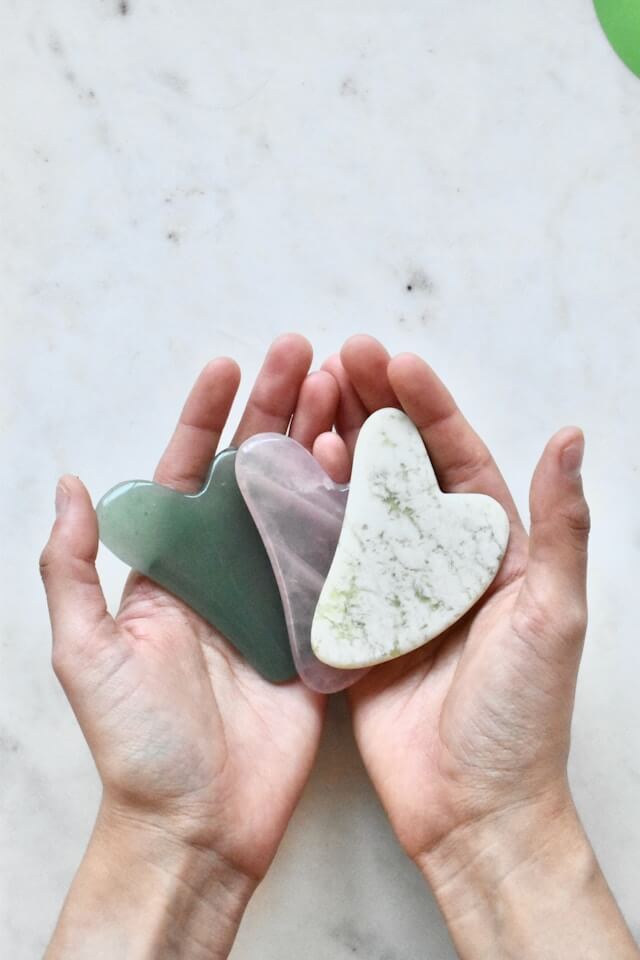
Photo by Cherrydeck on Unsplash
Why Gua Sha?
Gua Sha is a traditional Chinese medicine therapy that applies pressure to the skin to promote blood circulation, expel internal heat, relax muscles, eliminate fatigue, and relieve pain. Gua Sha can help improve the following symptoms:
| Reason | Description |
|---|---|
| Promote blood circulation | Gua Sha stimulates capillary dilation through friction on the skin surface, promoting local blood circulation and helping to improve the flow of Qi and blood. |
| Detoxification and expelling evil | Gua Sha can expel toxins and evil Qi from the body, especially heat and dampness, by bringing these harmful substances to the skin surface for elimination. |
| Relieve pain and discomfort | For symptoms such as shoulder and neck pain, muscle tension, Gua Sha can effectively relieve discomfort and help relax muscles. |
| Improve health status | For those feeling fatigued and listless, Gua Sha can help restore vitality and improve overall health. |
| Beauty care | Gua Sha is also applied in beauty care, promoting facial blood circulation, making the skin appear more rosy and radiant. |
What symptoms can be treated with Gua Sha?
| Symptoms | Description |
|---|---|
| Shoulder and neck pain | Discomfort in the shoulder and neck caused by maintaining the same posture for a long time or stress. |
| Muscle tension or stiffness | Muscle fatigue caused by exercise or prolonged sitting. |
| Early stage of cold or heat stroke | When feeling unwell, such as mild symptoms of fever or headache, Gua Sha can be considered to promote heat dissipation. |
| Indigestion | Gua Sha can be performed on specific meridians in the abdomen to improve digestive system function. |
| Fatigue and stress | When feeling tired, unfocused, or lacking overall vitality, Gua Sha can help adjust the body’s state. |
| Blocked meridians | When feeling tenderness or discomfort in certain areas, it may indicate meridian blockage, and Gua Sha can be performed to unblock the meridians. |
| Headaches and migraines | Gua Sha on specific meridians in the head can help relieve headaches and migraines. |
| Insomnia | Gua Sha on specific meridians in the head can help improve sleep quality. |
| Emotional issues | Gua Sha on specific meridians in the head can help adjust emotions. |
Gua Sha is an effective self-care method, but it is recommended to consult a professional healthcare provider before use to ensure safety and applicability.
Who should not use Gua Sha?
| Unsuitable groups | Reason |
|---|---|
| Infants under 1 year old | The body is not fully developed, and tolerance to stimulation is low. |
| Pregnant women | May cause uterine contractions, increasing the risk of miscarriage. |
| Individuals with coagulation disorders | Such as leukemia, hemophilia, etc., are at risk of bleeding. |
| Individuals with liver and kidney dysfunction | May worsen the condition and affect the body’s metabolic function. |
| Diabetic patients | Unstable blood sugar control may lead to complications from Gua Sha. |
| Patients with cardiovascular diseases | May affect heart health and increase the burden on the heart. |
| Cancer patients | Weakened immune system may lead to infections or other complications from Gua Sha. |
| Individuals with skin wounds or infections | Gua Sha may worsen infections or exacerbate wounds. |
| Fatigued or fasting individuals | Poor physical condition may easily lead to discomfort or dizziness. |
| Individuals taking anticoagulants | Increased risk of bleeding, which may lead to serious consequences. |
| Fasting or overly full | May put pressure on the heart, easily causing heart blockage; it is best to perform Gua Sha 1-2 hours after eating. |
These groups should carefully consider Gua Sha and preferably consult a professional healthcare provider to ensure safety and effectiveness.
Steps for Gua Sha
Gua Sha is a traditional Chinese medicine therapy.
| Step | Description |
|---|---|
| 1. Prepare tools | - Gua Sha board (can choose materials like horn, jade, etc.) or a smooth ceramic spoon. - Lubricant, such as baby oil, lotion, or petroleum jelly, to reduce friction. |
| 2. Disinfect | - Use 75% alcohol or disinfecting wipes to clean the skin and Gua Sha tools at the treatment site. |
| 3. Apply lubricant | - Evenly apply lubricant to the selected Gua Sha area to reduce friction on the skin during Gua Sha. |
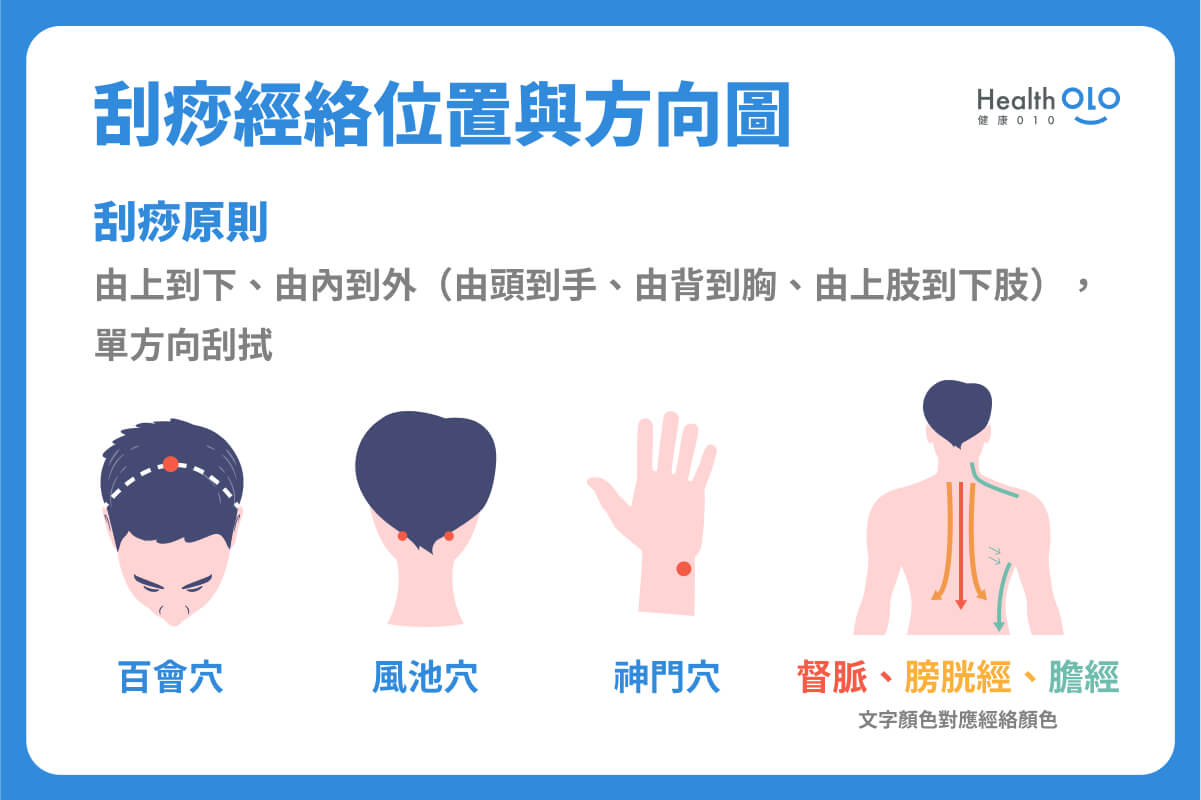
| 4. Start Gua Sha | - Place the Gua Sha board at about a 45-degree angle to the skin, gently apply pressure, and scrape in one direction. Avoid back-and-forth scraping to prevent skin damage. |
| 5. Gua Sha frequency and pressure | - Each area can be scraped about 5 to 20 times, with each scraping length about 5 to 10 centimeters. - The pressure should be moderate and adjusted according to the response of the person receiving Gua Sha; do not apply too much force to avoid pain or injury. |
| 6. Precautions | - Avoid Gua Sha in sensitive areas (such as the front of the neck, bones, and joints). - Bruising may occur after Gua Sha, which is normal and usually fades within a few days. |
| 7. Post-treatment care | - After Gua Sha, gently wipe the area with a clean towel and rest for a while to promote blood circulation. |
By following the above steps, Gua Sha can be performed safely and effectively to help relieve physical and mental tension.
Gua Sha promotes blood circulation and sweat gland secretion, so after Gua Sha, it is like soaking in a hot spring; you should drink warm or room temperature water to replenish fluids.
Additionally, after Gua Sha, do not eat cold foods, take cold showers, and avoid exposing the Gua Sha area to air conditioning.
If there are any health issues, it is recommended to consult a professional healthcare provider.
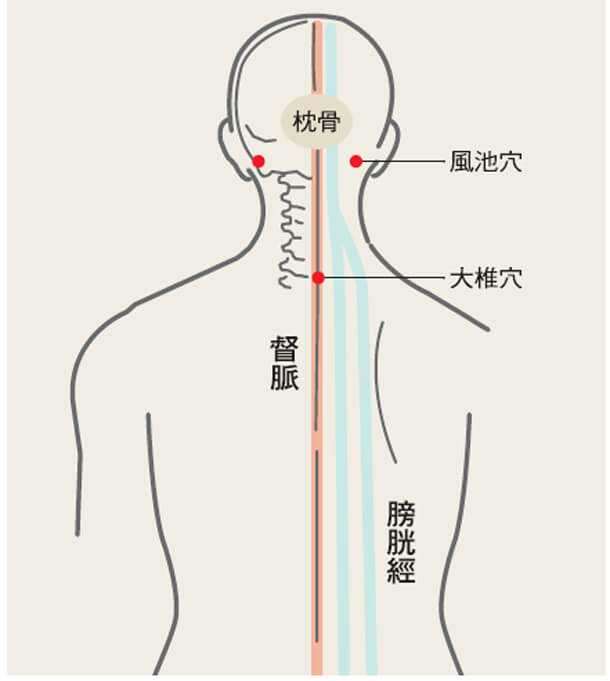
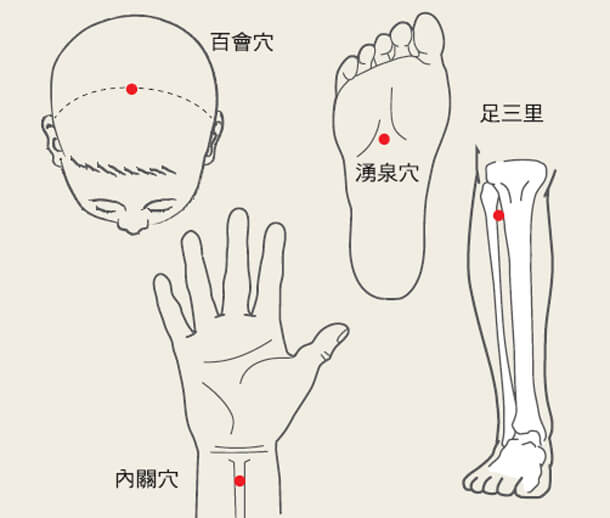
Common Gua Sha Areas
Gua Sha areas are usually those where blood vessels can be easily accessed, scraping away blood stasis and heat to achieve a soothing effect on the body.
- Head and neck
- Back
- Chest
- Limbs
- Abdomen
What do different colors of Gua Sha marks mean?
After Gua Sha, the body may produce light red or dark red marks, commonly known as Gua Sha marks. The meanings of different colored marks may include:
| Color | Description |
|---|---|
| Red | Red marks indicate the presence of heat toxins and blood stasis in the body; Gua Sha can help promote blood circulation and clear blood stasis. |
| Dark red | Dark red marks usually indicate stronger heat toxins and blood stasis in the body, requiring further clearance. |
| Purple | Purple marks usually indicate more severe heat toxins and blood stasis in the body, requiring further clearance, which can be improved by adjusting diet and lifestyle. |
| Black-red | Black-red marks usually indicate more severe Qi stagnation and blood stasis in the body, requiring further promotion of blood circulation and improvement through exercise and rest. |
Different individuals have different body conditions and constitutions, so the color and meaning of Gua Sha marks may vary. Additionally, Gua Sha should be guided and advised by professionals. If any discomfort or symptoms occur during the Gua Sha process, it should be stopped immediately, and medical examination and treatment should be sought.
Recommended Gua Sha Tools
There are various options for Gua Sha tools, mainly categorized by material and shape.
Gua Sha Tool Materials
| Material | Description |
|---|---|
| Horn | Horn Gua Sha boards are the most common choice, known for their durability and effectiveness in unblocking meridians, promoting blood circulation, and aiding in reducing swelling and detoxification. |
| Jade | Jade Gua Sha boards have a smooth and warm texture, providing a comfortable touch, suitable for facial Gua Sha, helping to moisturize the skin and clear heat and toxins. |
| Bian stone | Bian stone contains various trace elements that can unblock meridians and clear heat and toxins. It is important to note that there are many counterfeit products on the market, so caution is needed when purchasing. |
| Metal | Metal Gua Sha boards (such as copper) are heavier and can produce marks more quickly, but may cause pain during use, suitable for those needing strong stimulation. |
| Crystal | Crystal Gua Sha boards have unique energy and vibration frequencies that help promote the body’s natural healing. |
Gua Sha Tool Shapes
| Shape | Description |
|---|---|
| S-shape | Suitable for Gua Sha on the face and curved areas, fitting the skin’s contours. |
| Triangle | Suitable for gently scraping the scalp or small areas, helping to activate the brain and reduce brain pressure. |
| Rectangle | Due to its larger area, it is suitable for use on the back, shoulders, and neck, effectively unblocking meridians. |
| Crescent | Commonly found in the market, suitable for use on various body parts. |
When choosing Gua Sha tools, one can decide on the material and shape based on personal needs and the area of use to achieve the best therapeutic effect.
If suitable Gua Sha tools are not available, what can be used as temporary alternatives?
If suitable Gua Sha tools are not available, some common household items can be used as alternative tools.
| Alternative Tools | Description |
|---|---|
| Spoon | Use a ceramic spoon with a smooth edge, suitable for small area Gua Sha. |
| Coin | 10 or 50 NT dollar coins, with smooth edges, can be used for small area Gua Sha. |
| Hair comb | The back of a hair comb can be used for Gua Sha, especially suitable for the scalp and face. |
| Ceramic bowl | The edge of a ceramic bowl is smooth and can be used for full-body Gua Sha. |
| Shell | If at the beach, consider using a shell as a Gua Sha tool. |
| Animal shell | Use the edge of an animal shell for scraping. |
| Fingers | Use fingers for pinching, pressing, tapping, etc., to stimulate local meridians. |
When using these alternative tools, choose items with smooth and undamaged edges to avoid harming the skin.
Additionally, it is recommended to apply lubricant, such as baby oil or petroleum jelly, before Gua Sha to reduce friction and protect the skin.
What is the difference between Gua Sha and cupping?
The following is a comparison table between Gua Sha and cupping, detailing the differences between the two:
| Item | Gua Sha | Cupping |
|---|---|---|
| Tools | Gua Sha board, Gua Sha oil | Glass fire cups, vacuum plastic cups |
| Technique | Scraping and rubbing the skin with a Gua Sha board for 2 to 3 minutes | Suctioning glass fire cups or vacuum plastic cups onto the muscles for 5 to 10 minutes |
| Applicable areas | Most parts of the body, including the head, neck, limbs, etc. | Mostly used on areas with thick muscles, such as the lower back. |
| Timing | More superficial effect, suitable for early stages of illness | More profound effect, suitable for more severe or deeper conditions |
| Effects | Promotes blood circulation, relieves muscle tension, detoxifies and expels evil | Targets deep tissues, invigorates blood and Qi, reduces swelling and pain |
| Marking | Usually results in bruising, with colors varying according to internal conditions | Leaves circular red marks or bruises on the skin, usually fading within a few days |
| Suitable groups | Generally healthy individuals, especially those in the early stages of a cold or muscle fatigue | Suitable for individuals with rheumatism, sprains, or deep pain. |
Reference
- 專家教你「刮」出健康 | 《現代保險》雜誌
- 刮痧原理是什麼?顏色愈深愈好?刮痧前,必知7件事 - 康健雜誌
- 刮痧全指南:5大好處、正確位置與顏色解密!這3大禁忌不可不知
- 刮痧知識
- 【刮痧】可以消除疲勞,甚麼是「痧 」?一文了解清楚! | Bowtie 專欄網誌
- 刮痧好處有研究證實!顏色太深與3個禁忌時間要小心! - 健康010
- 刮痧原理是什麼?刮痧顏色意義、方法、好處、禁忌、刮痧工具一次看! - Roo.Cash
- MGA筋鑑康刮痧|痧的形成假說
- 刮痧「4種型態」看身體狀況!中醫:出痧多未必比較好 | ETtoday健康雲 | ETtoday新聞雲
- 驚人的神效刮痧板!5分鐘刮除病氣、痠痛、水腫,全身緊瘦美!【隨書附心型牛角刮痧板+保護袋】 - YouTube
- 10 大刮痧板推薦排行榜【2024最新】 | mybest
- 別再用銅板刮痧了!吳明珠教你正確刮痧排熱毒
- 中暑了嗎?中醫教你「一捏」就知道 上午刮痧祛暑最有效 - Heho健康
- 中暑了怎麼辦?除了刮痧,中醫傳授居家「抓痧」消暑解熱 - Heho健康
- 有效刮痧不求人!四種日常替代工具輕鬆上手,讓你快速舒緩不適! - ChoozSEO|美體美學
- 刮痧板材質怎麼選?刮痧板、刮痧棒推薦4款超好用!舒緩疲勞就靠它 | LINE購物
- 刮痧板香港邊度有得買?| 5大種類精選:牛骨、玉石滾輪、Refa、Panasonic、艾益生功效比較
- 中醫拆解3大刮痧迷思!刮痧工具這樣挑選!3分鐘瘦面/去水腫!傳授4大刮痧方法! - U Beauty
- 學起來!正確刮痧術 健康2.0 - YouTube
- 刮痧板怎麼挑,形狀材質怎麼選?刮痧板挑選指南 - 客製禮品資訊
- MGA筋鑑康刮痧|從硬幣、湯匙到刮痧板,該如何選最適合的刮痧神器?三大關鍵!讓你輕鬆出痧、不傷皮膚!
- 臉部刮痧是什麼?3分鐘了解刮痧原理、價格與優缺點 - 按摩SPA、采耳推薦|herspa 和和恬
- 刮痧安全嗎?中醫教4類病症適合、8大族群禁止|中醫精髓|該看哪科|元氣網
- 刮痧禁忌知多少?一篇統整你需要知道的刮痧禁忌時間與刮痧後禁忌|MamiBuy編輯部 | 媽咪拜MamiBuy
- 中暑刮痧要注意5件小事 「吹冷氣、馬上洗澡」超NG! | ETtoday健康雲 | ETtoday新聞雲
- 刮痧原理、顏色與好處全解析!掌握刮痧正確位置和禁忌 - 康健雜誌
- 【刮痧】顏色代表什麼?拆解好處、禁忌、與拔罐分別
- 【和順資訊速遞】拔罐、刮痧知多啲 》促進血液循環,加速身體祛濕排毒 – 和順堂網上商店
- 拔罐 v.s 刮痧傻傻分不清?3招教你辨識兩者之間的差異!
- 夏季熱昏頭 刮痧 拔罐 中醫解中暑 -美德中醫醫院 關心您的健康
- 刮痧就是要刮到整片紅通通 才叫爽? - Heho健康
- 刮痧、拔罐這些人不適合!夫妻互相「推督脈」幫身體排毒