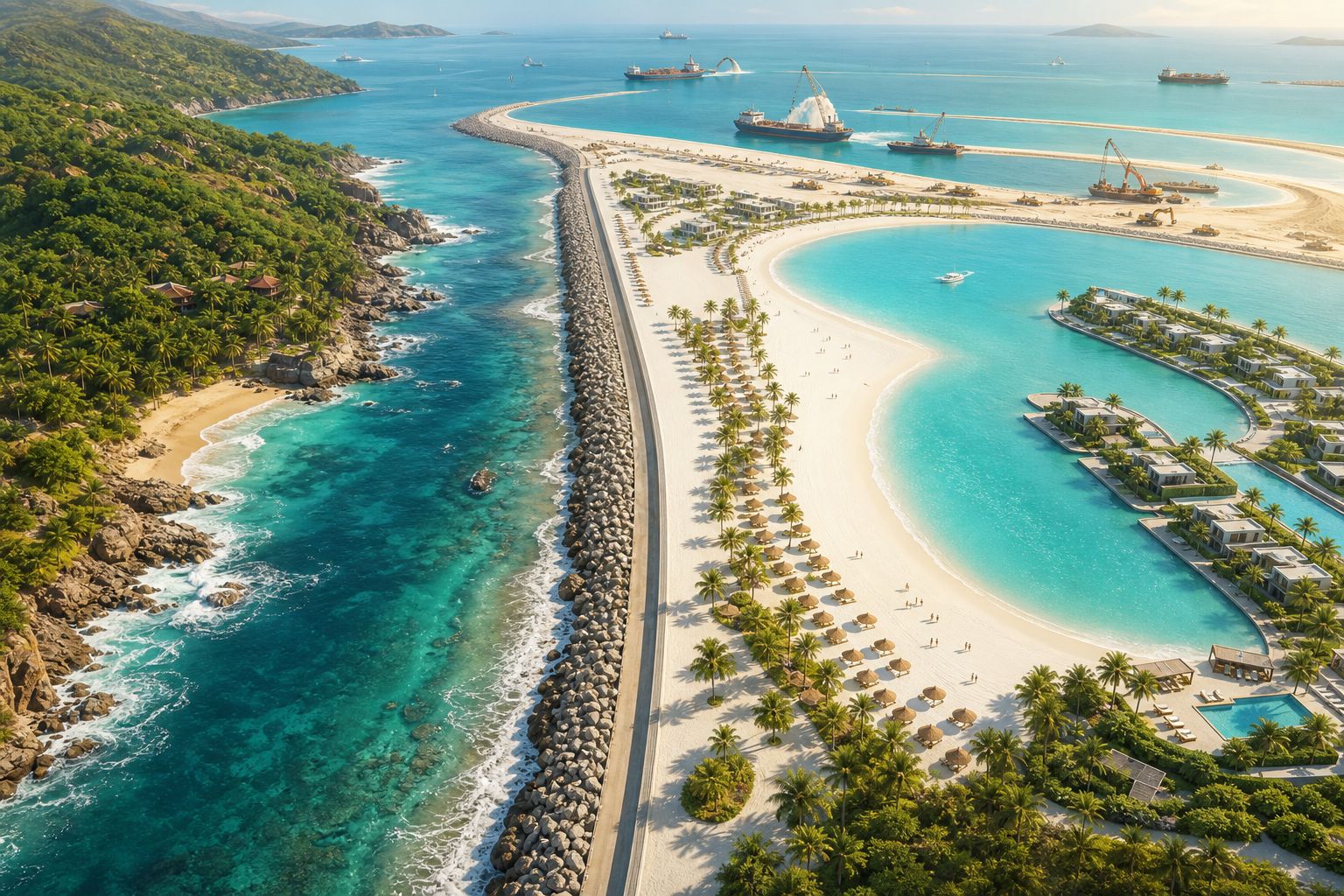
When going on vacation, we always long for the perfect picture of “sunshine, bikinis, and white sand beaches.”
But you might not know that many of those breathtakingly beautiful beaches on Instagram are actually expensive “cosmetic surgeries” performed by governments.
Natural coastlines are usually full of mud or jagged rocks, but the cash in tourists’ pockets only recognizes white sand beaches.
To make this money, many countries directly deploy their financial might to fight nature, creating perfect holiday beaches out of thin air.
How Do Different Types of Beaches Attract Tourists Differently?
Natural beaches come in various forms, and in the tourism market, they are like products tailored for different customer groups:
| Beach Type | Target Audience | Key Selling Point | The Brutal Truth |
|---|---|---|---|
| White Sand Beach | Mainstream idol, all ages | Ultimate comfort, walk barefoot or lay a mat to lounge all day | Sand gets everywhere on your body, crowded, and highly commercialized |
| Pebble Beach | ASMR channels, aesthetic photo shoots | Non-sticky, the rolling sound of pebbles as waves recede is top-tier white noise | Walking barefoot equals a brutal foot massage, usually a swimming hazard zone |
| Rocky Beach | Ecological explorers, snorkelers | Tidal pools are home to crabs, starfish, and small fish—a nature observation paradise | Rocks are sharp like razor blades, bleeding is guaranteed without water shoes |
| Black Sand Beach | Surfers, post-apocalyptic photographers | Strong winds, stable waves, and photos taken here have extreme character | Black absorbs heat intensely, step barefoot in summer and you’ll jump up in five seconds |
Because tourists always love “white sand beaches” the most, countries with unfavorable coastline conditions began to get creative.
What Kinds of Artificial Beaches Are Countries Fabricating?
Global artificial beaches are generally divided into three types of “fabrication techniques”:
The Importation Type: Buying Sand Directly from Other Countries
Masterpiece: Singapore
Sentosa
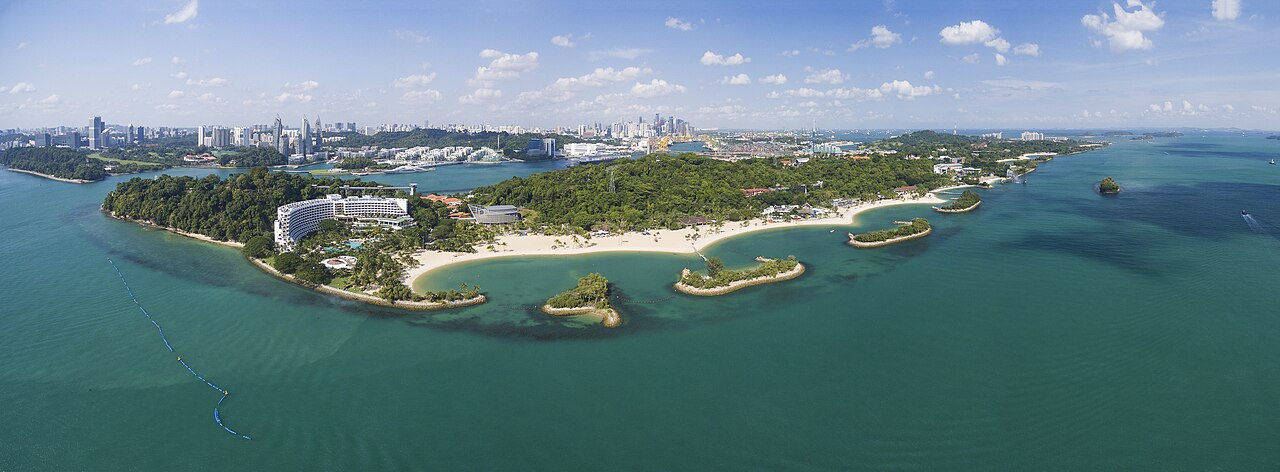
Singapore's own coastline consists mostly of mangroves and mudflats, with absolutely no beaches suitable for vacationing.
Singapore's government’s approach was very direct: it imported millions of tons of premium white sand from neighboring countries like Indonesia, Malaysia, and Cambodia, and spread it directly onto the shores of Sentosa.
To prevent this expensive imported sand from being washed away by the waves, engineers also built countless hidden offshore breakwaters (underwater retaining walls) in the sea to lock the sand firmly to the shore.
This practice triggered international “sand wars”
Indonesia etc. because their own environments were left riddled with holes from dredging, eventually slapped export bans on natural sand against Singapore.
The Out-of-Thin-Air Type: Insane Reclamation from a God’s-Eye View
Masterpiece: Dubai
Palm Jumeirah
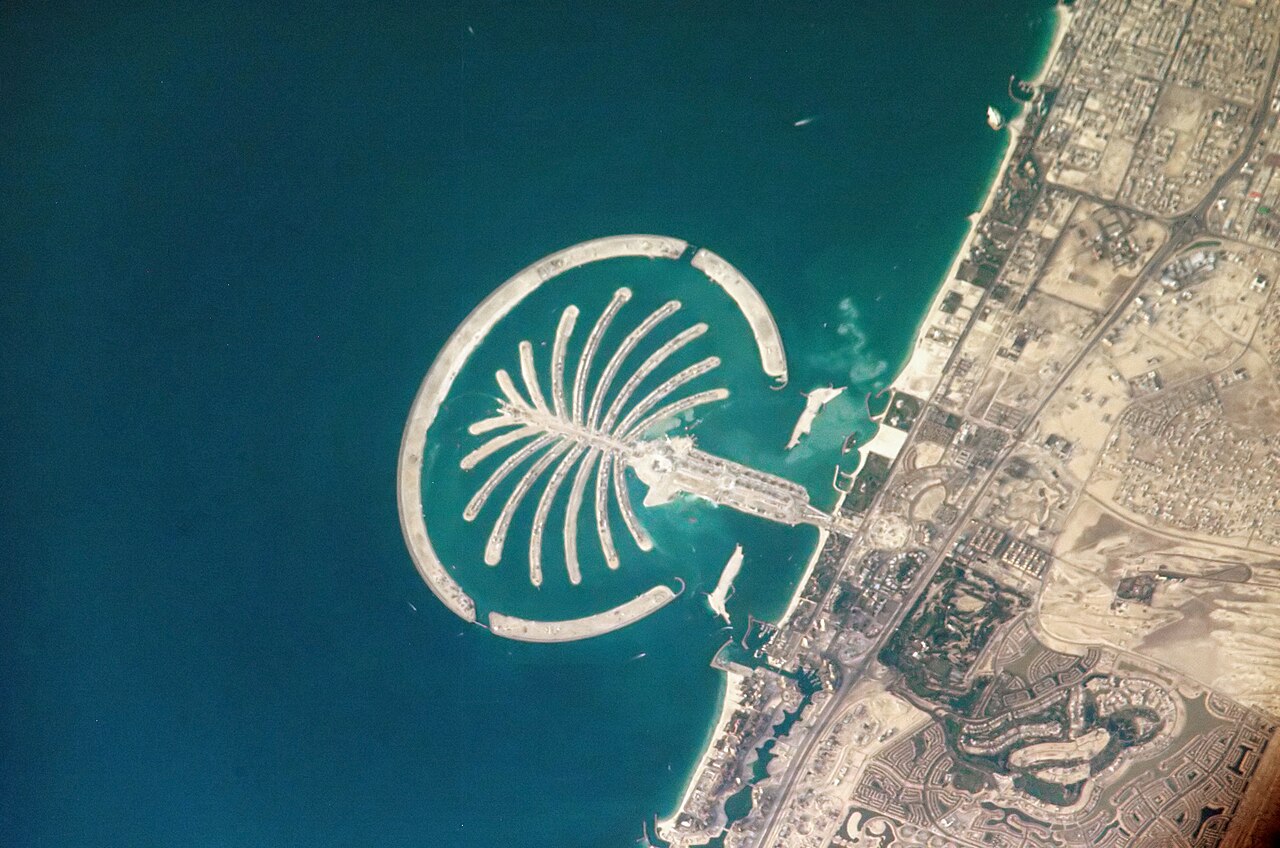
Dubai felt its coastline was too short to build oceanfront villas and ultra-luxury resorts. The solution was to draw a map and build it.
Using specialized dredging vessels to suck up sand from the seabed, they sprayed it precisely onto the sea surface like 3D printing, creating a massive palm-shaped artificial island out of nothing.
To block the waves of the Persian Gulf, a protective breakwater stretching 11 kilometers was built around the outer perimeter.
Palm Jumeirah disrupted the original ocean currents, leading to poor water circulation in the inner bays, making them prone to foul odors.
Nature tries to wash the sand away every single day, and Dubai must spend astronomical sums to continuously maintain this “mirage on the sea.”
The Urban Illusion Type: Limited-Time Summer Beaches in Inland Cities
Masterpiece: France
Paris Plages
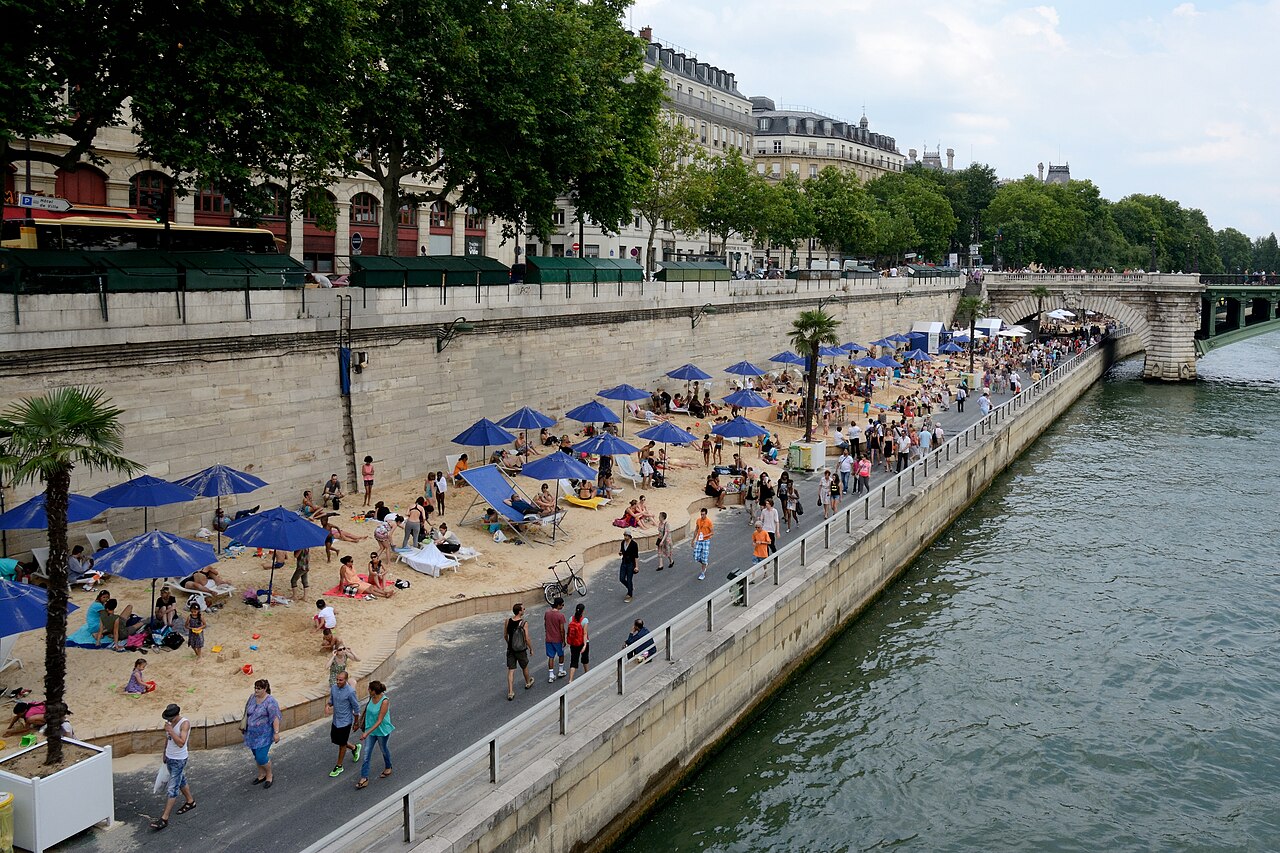
Not every Parisian has the money to go to the South of France for the summer. To placate citizens stuck in the sweltering city, the government hauls thousands of tons of fine sand every summer to pave over the asphalt along the Seine, bringing in palm trees, lounge chairs, and beach umbrellas.
Although you would never dare to jump into the Seine for a swim (the water quality is highly concerning), as long as you have sand under your feet and a cocktail in your hand, Parisians can pretend they are vacationing on the French Riviera right in the heart of the city.
This is the ultimate “spiritual victory” tourism, trading minimal cost for exceptionally high citizen satisfaction.
World-Famous Artificial Beaches and the Calculations Behind Them
| Beach Name | Location | Reason for Construction | The Cost |
|---|---|---|---|
| Sentosa | Singapore | Originally swampland; wanted to keep tourist dollars in the country | Triggered international “sand wars”; neighbors banned exports |
| Palm Jumeirah | Dubai | Coastline too short to build luxury oceanfront properties for global elites | Disrupted currents, inner bays easily smell foul, astronomical annual upkeep |
| Paris Plages | Paris | To let citizens who can’t afford the South of France enjoy beaches in the city | Thousands of tons of sand must be hauled away after summer; Seine is unswimmable |
| Odaiba Beach | Tokyo | Originally a trash landfill; sand hauled from Izu Islands to create a dating hotspot | Poor water quality in Tokyo Bay; E. coli spikes after heavy rain—look but don’t swim |
| Male Artificial Beach | Maldives | The capital is enclosed by seawalls, leaving residents with no natural beaches to use | A nation selling island ecosystems, yet the capital relies on an artificial beach |
Why Go to Such Lengths to Fake Beaches?
The answer is brutal: The return on investment is absolutely staggering.
An empty stretch of beach doesn’t make money, but once a beach is built, five-star hotels, frontline oceanfront mansions, and water sports operators spring up like mushrooms after rain.
Investing $100 million in a beach is followed by $10 billion in tourism spending and real estate appreciation.
Another, even smarter approach is doing it under the guise of “ecological coastal protection.” Some areas originally had beaches, but due to global warming and human development, the sand was “stolen” by the waves.
The government initiates “beach nourishment” dredging projects to replenish the sand. On the surface, it’s protecting national land, but in reality, once the sand is replenished, they turn around and keep renting it to operators for lounge chairs and admission fees.
The “Lifelong Maintenance” Cost of Artificial Beaches
Nature has its own fluid dynamics.
If you insist on laying sand where it shouldn’t be, the waves will relentlessly wash it away day and night.
All artificial beaches must face “lifelong periodic maintenance.” The moment replenishment stops, they will revert to their original state within a few years.
Take Miami Beach in the US or Sentosa in Singapore as examples: every few years, the government must allocate millions or even tens of millions of dollars to buy and replenish sand.
An artificial beach is not a one-time project, but a bill that will never end.
| Maintenance Item | Description |
|---|---|
| Periodic Replenishment | Waves wash sand away daily; massive replenishment is needed every 3-5 years |
| Breakwater Maintenance | Underwater retaining walls also erode and require periodic inspection |
| Water Quality Management | Artificial bays suffer from stagnant water; circulation must be maintained to avoid foul odors |
| Ecological Restoration | Reclamation destroys original marine ecosystems; requires continuous funding for restoration |
What is the Future of Artificial Beaches?
Moving past the concept of “real or fake,” artificial beaches are actually shifting toward “ecological defense” as a new purpose.
Rather than dumping a bunch of ugly concrete tetrapods, modern coastal engineering prefers to use “nourishment” to cushion the area between waves and cities with a massive natural shock-absorbing sponge, mitigating wave erosion on the land.
In the future, artificial beaches won’t just be places for you to sunbathe, but are more likely to be the first line of defense protecting cities from being submerged by seawater.
The next time you are lying on a resort’s white sand beach sipping a cocktail, you might want to think:
This perfect beach is probably a “romantic illusion” leased indefinitely from nature" through human money and engineering.